Choose a road by how the time moves.
A road works when driving time, stops and arrival rhythm work together.
A road map of Xinjiang appears direct, yet navigation arrival estimates often require significant adjustment.
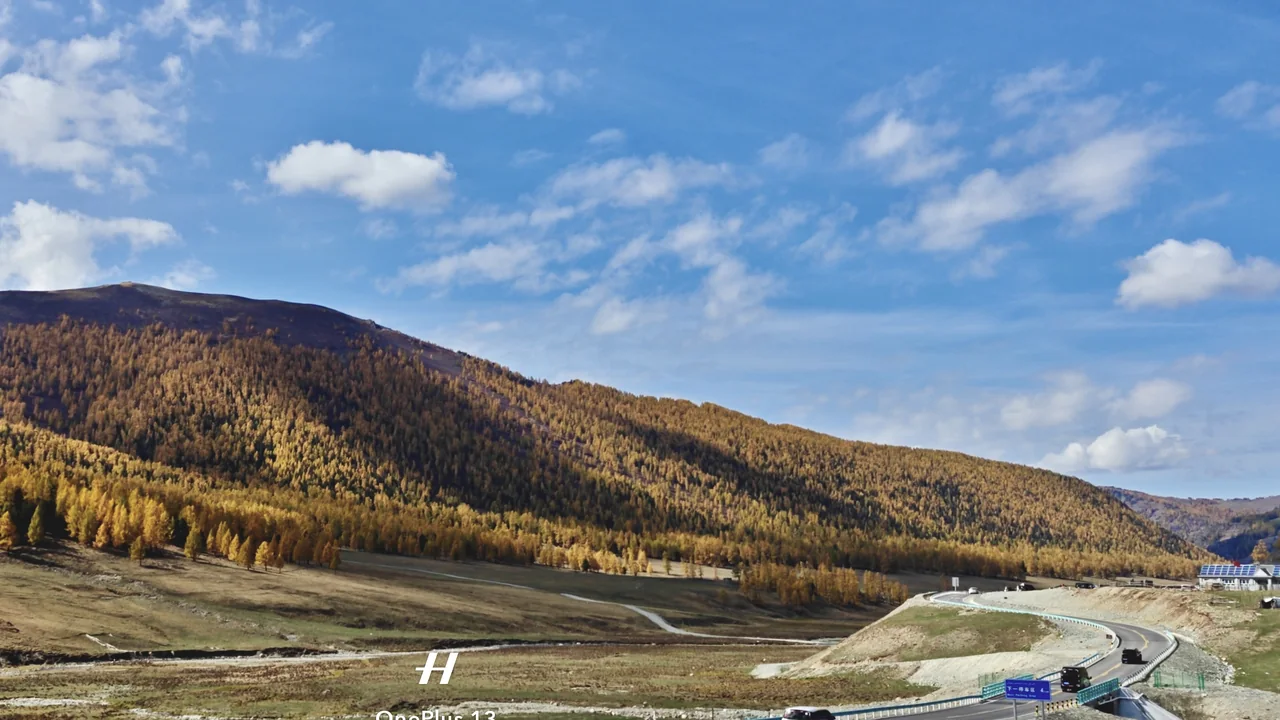
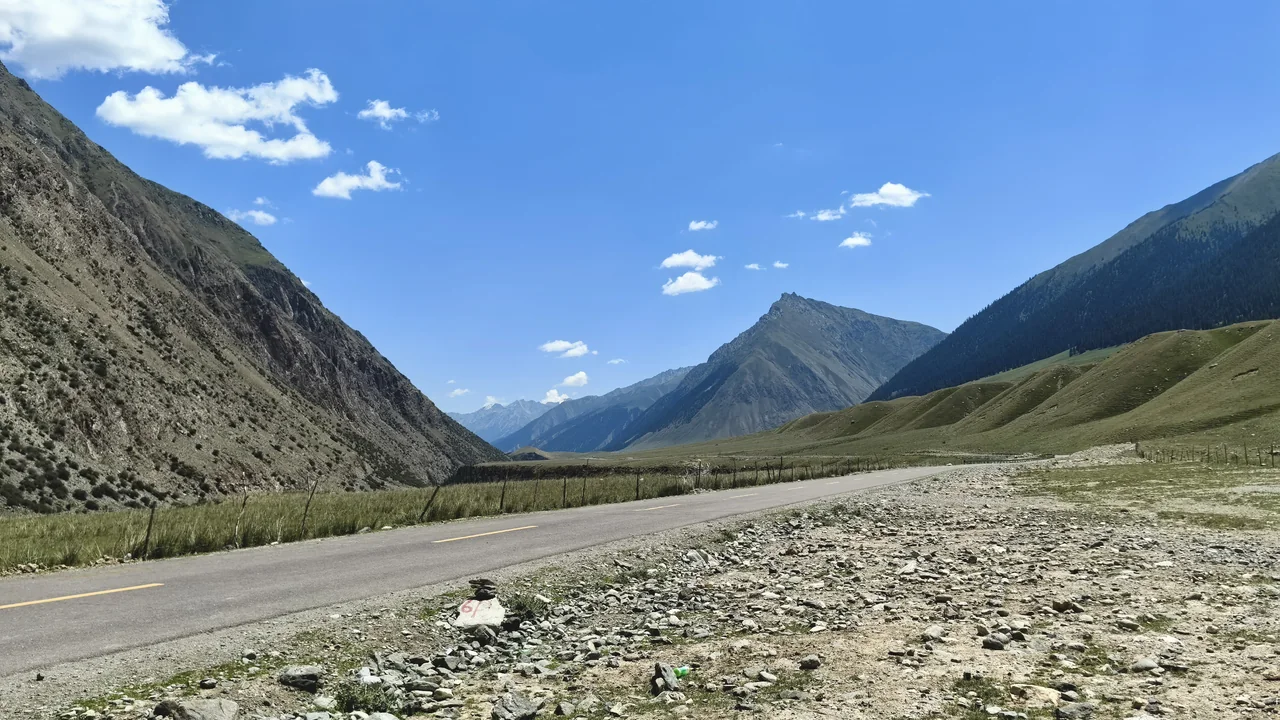
Two routes reaching the same destination offer completely different journeys. One might be a high-speed desert expressway—flat and straight, but monotonous for hundreds of kilometers without shade, draining the driver's focus. The other might wind through mountain passes with lower speed limits, offering shaded turnouts, rivers, and scenic pauses.
Our prime rule is capping drive time between four and six hours per day. Afternoon glare across the western horizons peaks between four and seven; stretching driving to eight or nine hours guarantees exhaustion upon arrival, ruining the evening meal.
Account for livestock movement and strict interval speed traps. Across pastoral roads, herds of horses or sheep frequently cross around blind corners; speed limits are not suggestions. Slow down steadily and let the land set the pace.
Schedule regular driver rotations, check tire pressures at service stops, and keep water bottles filled. Driving well means delivering passengers safely and relaxed into the evening.