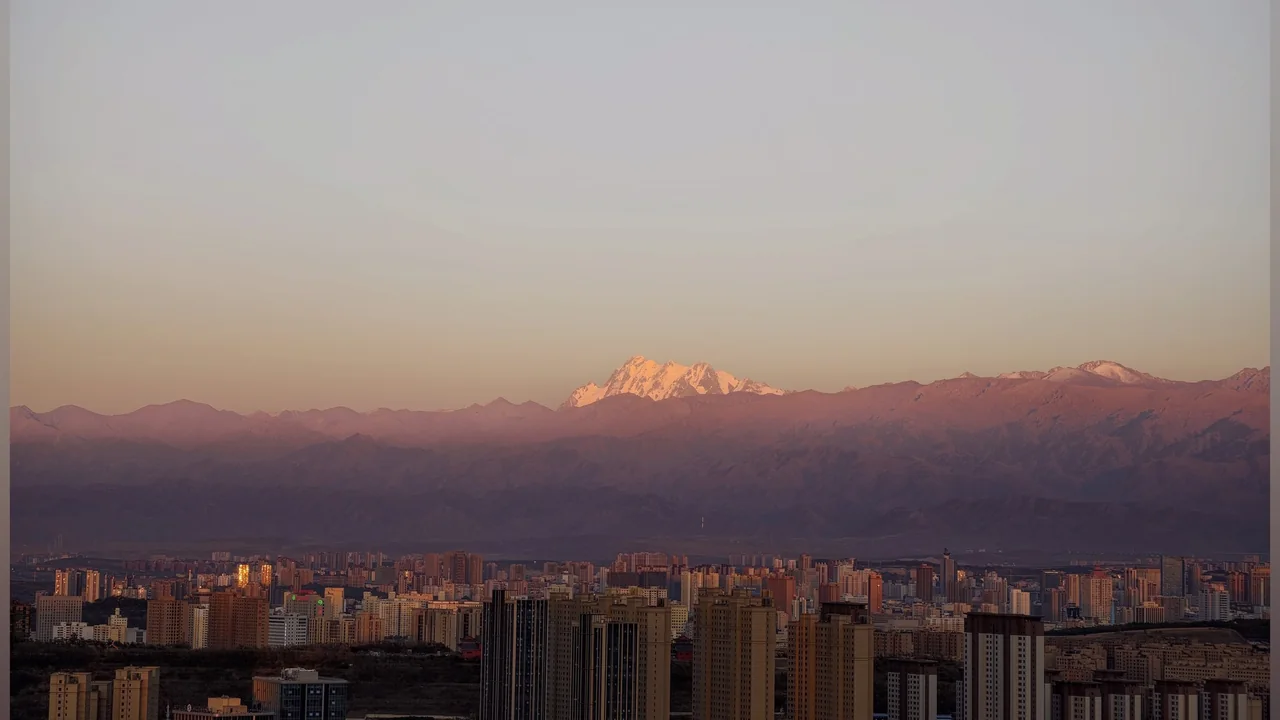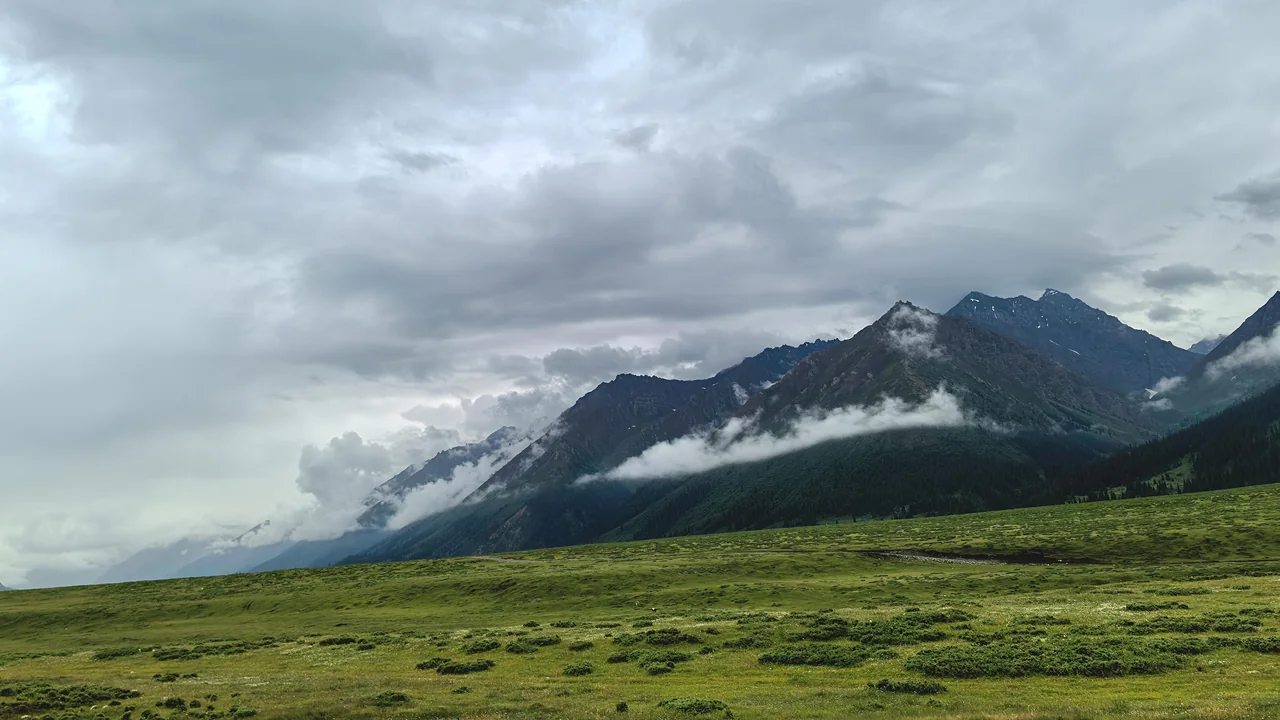
Why does this frame work?
Method content explains a frame through composition, light, timing and subtraction.
When evaluating an enduring photograph, we rarely begin with camera sensors or shutter numbers. What makes a frame work is the discipline of subtraction practiced on location.
In a visual landscape as dense and grand as Xinjiang, the common beginner misstep is crowding everything into the frame: peaks, lakes, yurt camps, grazing herds, wild flora, and soaring skies all at once. The result is visual noise with no center.
Work backwards from the edges: why stand precisely here rather than five meters forward? Stepping back might introduce an earthen track or dry riverbed that naturally guides the eye. Why place the horizon on the lower third? Perhaps because today's high cirrus clouds carry more texture than the steppe beneath.
Respect the sun's trajectory. High noon at elevation casts harsh, unflattering vertical shadows—a perfect cue to store the gear, eat lunch, and rest. After six in the evening, low-angle raking light highlights the topography, turning every fold of the mountain into sculpture.
Above all: never interrupt the natural flow of someone's day for the sake of an exotic shot. Lower the camera, offer a warm greeting, and wait for everyday gestures to resume. Genuine moments hold far more life than any arranged tableau.