On Xinjiang Roads, the Driver Often Sees the Least
The steering wheel grants freedom, yet quietly claims your attention. True road travel starts by deciding where attention belongs.
Xinjiang highways easily craft an illusion: the longer the road, the more rewarding it is to drive yourself. On a map, self-drive promises liberty: pull over whenever you want, set off at will. Yet once behind the wheel in Xinjiang, the reality flips: the busiest person in the vehicle is often the one who sees the least.
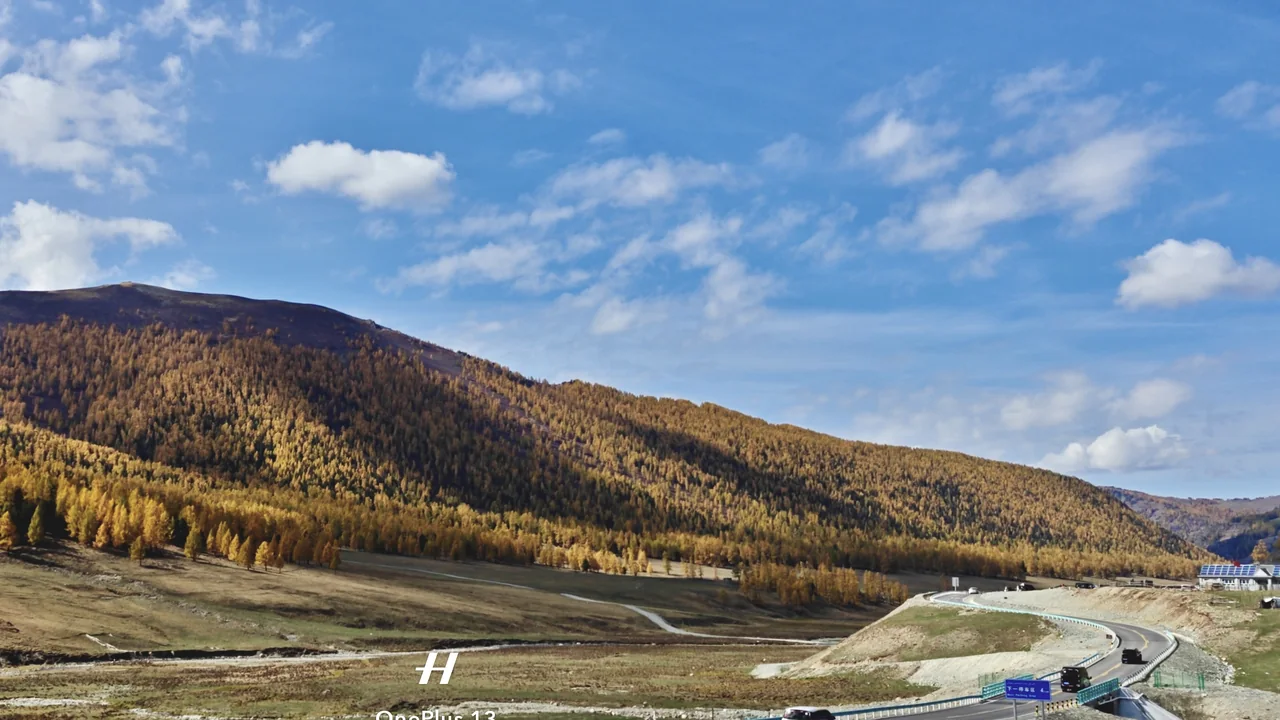
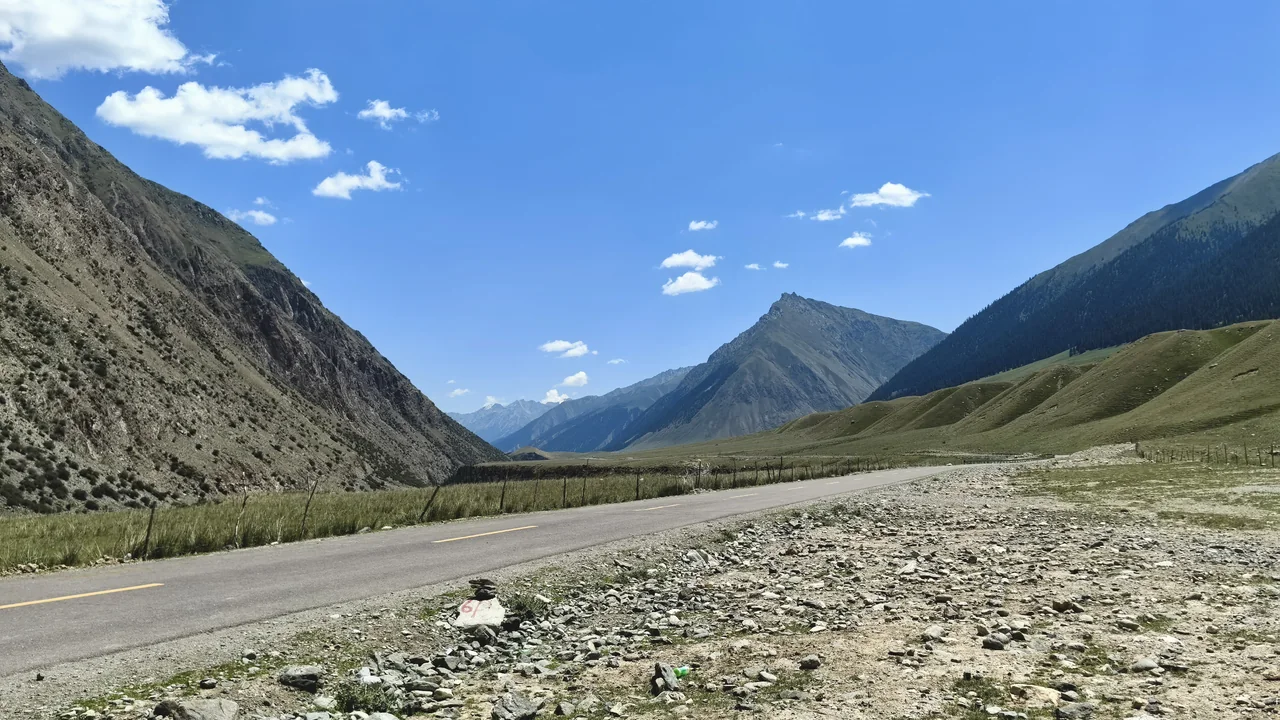
Passengers watch mountain ridges draw near, flocks grazing on road shoulders, and cloud shadows drifting across hillsides. The driver watches apexes, speed traps, taillights, mirrors, navigation prompts, and the next fuel station. This is not idle complaining; it fundamentally alters what stays in memory.
Long-distance driving consumes not just hours, but sustained cognitive bandwidth. The passenger can daydream; someone in the back rests; another edits photographs. The driver enjoys no such blank space—they must remain anchored in the immediate next second.
When driving is handed over, travel time opens up completely for the first time. You notice what no guidebook mentions: why a hamlet hugs a dry culvert, where farmland abruptly yields to gravel desert, and how low western sunlight transforms terrain texture. These are not road attractions; they are the road itself.
QINGTU DRIVE does not begin with vehicle models. We care about who is steering, who is looking, who gets fatigued, and how much attention remains at day’s end to inhabit the destination. True freedom is not gripping the wheel non-stop; it is knowing when to drive, and when to let the road be carried for you.